
Explore Barstow: Top Attractions, Scenic Views & Hidden Gems in the Mojave Desert

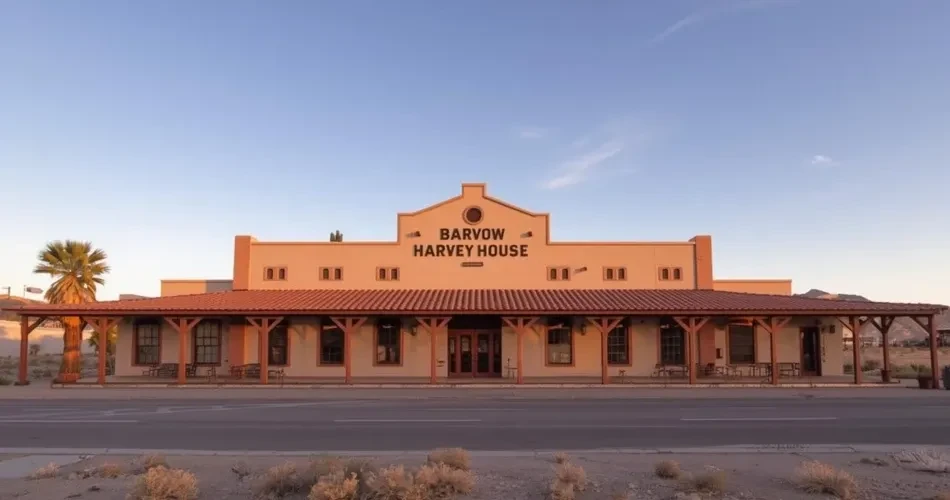
Barstow Harvey House: Railroad History Preserved
Barstow Harvey House stands as one of the most important architectural and historical landmarks in the region, representing the golden era of railroad travel in the American Southwest. Built in the early 20th century, it originally served as a luxurious stopover for railway passengers traveling long distances across desert routes. At a time when rail travel was the primary mode of long-distance transportation, the Harvey House provided food, rest, and comfort to travelers, making it a key part of the rail network’s success.
The building itself is a stunning example of Spanish Revival architecture, featuring elegant design details that set it apart from the surrounding desert landscape. Its historical charm and preserved structure make it not only a cultural landmark but also an architectural treasure in Barstow. Visitors are often drawn to its grand exterior as much as its historical significance.
Today, the Harvey House has been transformed into a vibrant cultural center that continues to honor its past while serving the community in the present. Inside, it houses museums and exhibits that showcase railroad history, Native American heritage, and artifacts connected to Route 66. Each exhibit offers a different perspective on how transportation and migration shaped the development of the region.
Beyond its role as a museum space, the Harvey House also functions as a venue for community gatherings, exhibitions, and cultural events. This ongoing use keeps the building alive and relevant, connecting modern residents with their shared history.
Overall, the Barstow Harvey House is more than a preserved structure—it is a symbol of how railroads influenced settlement, commerce, and cultural exchange in the Mojave Desert, making it a cornerstone of the city’s historical identity.
Rainbow Basin Natural Area: Desert Geological Beauty
Rainbow Basin Natural Area is one of the Mojave Desert’s most visually striking geological destinations, known for its extraordinary rock formations, layered canyons, and naturally sculpted desert landscape. Over millions of years, shifting earth movements, erosion, and sediment buildup have shaped the basin into a complex network of ridges, curves, and colorful rock layers that create a truly unique natural setting.
The area is especially popular among photographers and nature lovers because of its vivid earth tones and dramatic formations. Depending on the time of day, the rocks shift in appearance, revealing shades of red, orange, brown, and gold. Sunrise and sunset are particularly magical, as the soft light enhances the natural colors and adds depth to the rugged terrain.
Visitors can explore the basin through scenic driving routes and short walking trails that allow close observation of its unusual geological structures. Each turn reveals new formations, narrow canyons, and wide open desert views that highlight the scale and complexity of the landscape.
Unlike more crowded tourist attractions, Rainbow Basin offers a quiet and peaceful environment where visitors can experience the desert in its raw, untouched form. The silence of the surroundings, broken only by wind and distant wildlife, creates a calming atmosphere ideal for reflection and slow exploration.
In addition to its beauty, the area serves as an open-air geological classroom, offering insight into how natural forces shape desert environments over time. It is a destination where science and scenery come together, making it both educational and visually unforgettable for anyone exploring the Barstow region.
Mojave National Preserve: A Vast Desert Escape
Mojave National Preserve is one of the most expansive and untouched desert regions near Barstow, offering a true escape into the raw beauty of the Mojave Desert. Located within a short driving distance, this protected area showcases a remarkable variety of landscapes that highlight both natural diversity and historical depth.
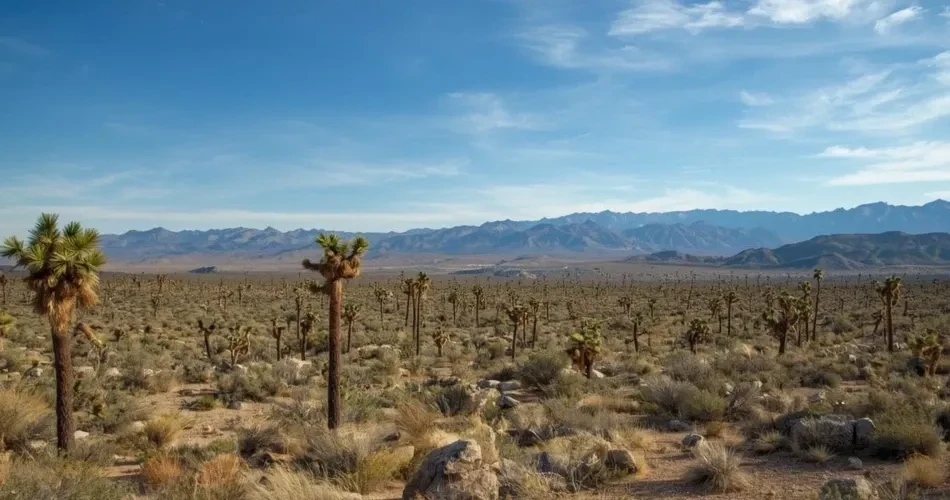
The preserve features vast sand dunes, ancient volcanic fields, rugged mountain ranges, and dense Joshua tree forests that stretch across the horizon. Each landscape feels distinct, yet together they create a unified desert ecosystem that reflects millions of years of geological evolution. Scattered throughout the preserve are also abandoned homesteads, mining remnants, and old structures that provide a glimpse into the human history of those who once attempted to settle in this challenging environment.
Visitors to the preserve can enjoy a wide range of outdoor activities, including hiking, scenic driving, camping, and wildlife observation. The open terrain allows for long, uninterrupted views of the desert, making it a favorite destination for photographers and nature enthusiasts. The silence and vastness of the landscape create a powerful sense of isolation that is both calming and humbling.
Unlike urban attractions, the Mojave National Preserve offers an experience rooted in simplicity and natural beauty. There are no crowded streets or commercial distractions—only wide-open spaces, shifting light, and the sounds of wind moving across the desert floor. This makes it an ideal place for reflection, exploration, and reconnecting with nature.
Overall, the preserve stands as a reminder of the Mojave Desert’s scale and resilience, offering visitors a chance to experience one of California’s most dramatic and untouched natural environments in its purest form.

About Author
Sarah produces creative and informative content based on her travel experience. She keeps her blogs up-to-date with the latest information.